Portuguese Heritage Homes in Goa: The Case for Buying Before They’re Gone
There is a particular quality of light in a Goan heritage house in the late afternoon — the way it comes through the oyster-shell windows, filtered and warm, landing on old Athangudi tiles that have absorbed a century of monsoons and celebrations. You cannot b
There is a particular quality of light in a Goan heritage house in the late afternoon — the way it comes through the oyster-shell windows, filtered and warm, landing on old Athangudi tiles that have absorbed a century of monsoons and celebrations. You cannot build this. You can only inherit it, or buy it while it still exists to be bought.
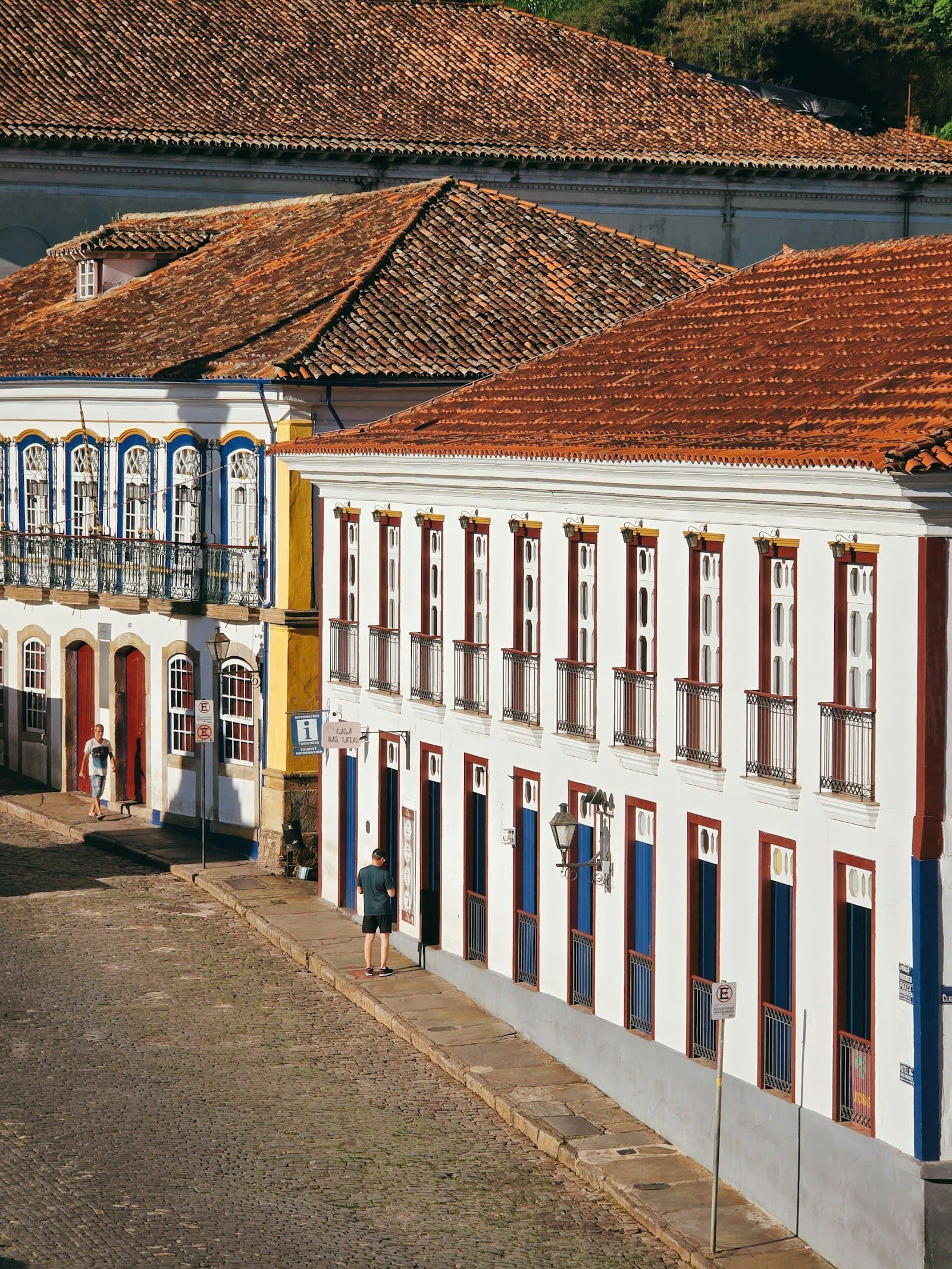
Portuguese heritage homes in Goa are not simply old houses. They are a specific architectural language — developed over four and a half centuries of colonial settlement, shaped by the climate, the Catholic faith, and the particular social aspirations of Goan families who wanted something that was neither purely European nor purely Indian. The result is something entirely its own: generous verandahs, high-pitched mangalore-tiled roofs, carved wooden balcões, double-leafed doors with ornate brass knockers, and interior courtyards that breathe even in the peak of summer.
Why Supply Is Genuinely Finite
The word “rare” is used carelessly in real estate. Here, it is precise. No new Portuguese heritage homes are being built — the architectural tradition, the craftsmen who understood it, and the social context that produced it are all gone. What remains is a fixed, slowly declining stock.
Attrition happens in two ways. The first is structural neglect: heritage homes require specialised maintenance — lime plaster, period-appropriate joinery, careful waterproofing of the heavy laterite walls — and when heirs are scattered across the diaspora and no one is resident to oversee upkeep, the monsoon does its work quietly and relentlessly. A roof that goes unrepaired for two seasons can compromise a structure that stood for a hundred years.
The second is deliberate demolition. Land values in North Goa have appreciated so dramatically that the calculation for some families becomes stark: the plot the house stands on is worth more per square metre cleared and redeveloped than it is as a preserved heritage property. A 2,000 Sq Mt plot in Assagao or Curca carrying a heritage house is simultaneously one of the most emotionally irreplaceable things in Goa and, in pure land-value terms, a multi-crore asset. When estates are divided and heirs disagree, the house sometimes loses.
This is why the available inventory of genuine, structurally sound, well-documented Portuguese heritage homes in Goa is not just limited — it is contracting.
What to Look for When Buying
Buying a heritage home is a different exercise from buying a new build. The due diligence is more layered, and the things worth paying for are not always the most visible.
Structural integrity of the laterite walls: Traditional Goan heritage homes are built from locally quarried laterite blocks — soft when cut, hardening with exposure to air, excellent thermal mass. Look for signs of water ingress through the base courses, significant cracking at corners, or lime plaster that has separated entirely from the substrate. Minor surface deterioration is expected and repairable. Structural compromise at the wall base is expensive to address.
Roof and timber: Mangalore clay tiles on timber rafters are the standard. Assess whether the timber is original and sound, or whether sections have been replaced with concrete (a common cost-cutting measure that changes the structure’s character). Original timber framing, properly treated and maintained, will outlast concrete in Goa’s humid climate.
Tile work: Athangudi tiles, Cuddapah stone floors, original encaustic cement tiles — these are not replaceable at any price with authentic period materials. Their presence and condition are significant value indicators. Cracked or missing tiles can often be sourced from salvage; original intact floors are a premium.
Land extent and documentation: The plot a heritage home sits on is often as important as the structure itself. Verify Form I & XIV records, title chain, and TCP zone classification. Many heritage homes sit in Settlement Zone, which permits construction — important for understanding future development rights. Larger plot extents also provide scope for sympathetic additions or landscaping without touching the original structure.
Conversion and occupancy status: Confirm that the property is not classified as agricultural and that any applicable conversion certificate is in order. An Occupancy Certificate, where available, is worth verifying — though for pre-liberation structures, this documentation often does not exist and alternative validation through mutation records and long possession is accepted.
The Investment Case
Heritage homes in Goa occupy an unusual position in the investment landscape. They appreciate as land — because the plot they sit on follows the same demand dynamics as any premium North Goa property. They appreciate as a category — because supply is declining and the buyer base (HNIs, NRIs, boutique hospitality operators) is growing. And they generate yield — because the luxury villa rental market in Goa commands peak-season weekly rates that would surprise most buyers.
A well-restored heritage home in a sought-after village like Assagao, Siolim, Aldona, or Curca operates in the premium private-villa segment of the Goa season-rental market. Specific nightly rates and occupancy patterns vary widely with the property, the operator, and the year — we share working comparables on enquiry rather than publish numbers that aggregator sites quote without underwriting.
More significantly: these assets cannot be disrupted by new supply. A new luxury villa can be built next door; a heritage house cannot. This supply-side rigidity is what institutional buyers understand and what most retail buyers in Goa have not yet fully priced in.
North Goa vs South Goa: Where the Best Examples Are
The concentration of significant Portuguese heritage homes is heaviest in North Goa’s Catholic belt — the villages of the Old Conquests, which were under Portuguese control from the sixteenth century: Chorão, Divar, Aldona, Assagao, Siolim, Anjuna, Calangute, Curca, Panjim’s Fontainhas quarter. These are the villages where Goan families of some social standing built their ancestral homes, and where the architectural vocabulary is most fully expressed.
South Goa — Margao, Chandor, Loutolim, Quepem — has its own concentration of heritage homes, some of extraordinary scale, but the market is thinner, the buyer profile different, and the tourism economy less developed. South Goa heritage homes often offer more building for the money, but with lower liquidity and more limited rental market depth.
For buyers seeking the combination of heritage authenticity, rental market access, and capital liquidity, North Goa — and specifically the belt running from Panjim through Calangute to Assagao — remains the primary market.
The Curca Listing: A Benchmark Property
Listiing currently carries one of the most compelling heritage listings available in North Goa: a 3 BHK Portuguese heritage house in Curca, priced at ₹10 Cr, with 450 Sq Mt of built-up area on a 2,850 Sq Mt plot.
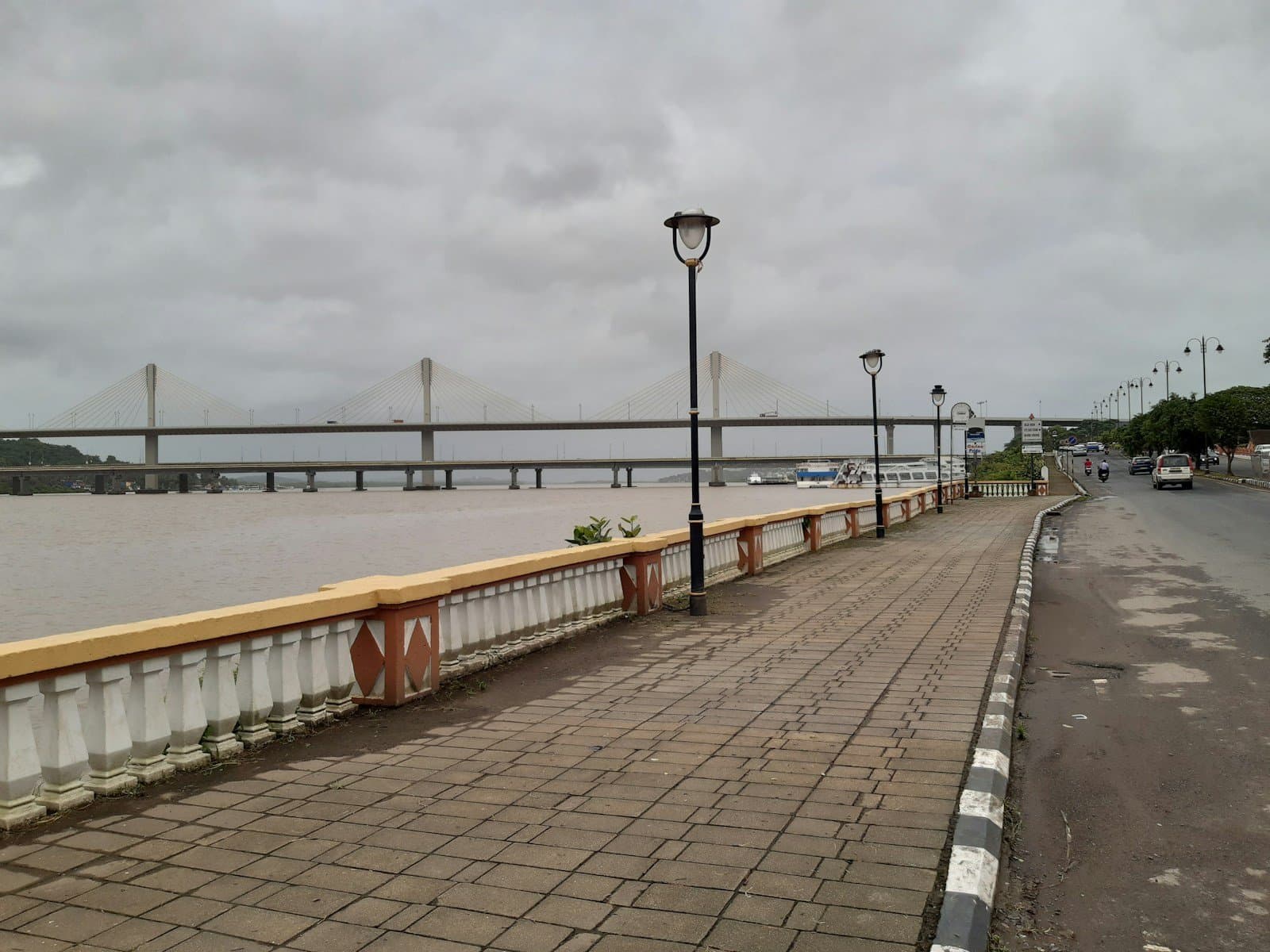
Curca is a village on the northern bank of the Mandovi River, part of the Tiswadi taluka — historically one of the most prestigious addresses in Goa, within the original Old Conquests territory. The village sits between Panjim and the Mandovi bridge, with river views and the particular quiet that comes from a location that has resisted the commercialisation that has changed some of Goa’s more tourist-facing villages.
The plot size — 2,850 Sq Mt — is significant. Heritage homes on plots of this extent are rare because land has been subdivided across generations in most families. A nearly three-quarter-acre plot with a heritage structure already standing means the buyer acquires both the architectural asset and the land bank, without having to choose between them.
At ₹10 Cr, this property sits at a price point that reflects the quality and rarity of what is on offer — but it also reflects the fact that the market for this specific category is still maturing. In three to five years, a comparable property in Curca will not be priced the same way.
A Decision with a Closing Window
The buyers who will regret this category are not those who paid too much — it is those who spent another season researching while the inventory quietly disappeared. Portuguese heritage homes in Goa are not listed on property portals the way apartments are. They come to market through relationships, through families making difficult estate decisions, through moments that do not repeat.
Listiing exists to surface these moments for buyers who are ready. View the full current inventory — including the Curca heritage house and other premium listings — at Listiing.com/property. Enquiries are handled directly and in confidence.
Frequently Asked Questions
Are Portuguese heritage homes in Goa a good investment?
Yes. Heritage homes in Goa are finite assets — no new ones can be built — and are appreciating faster than modern construction in prime North Goa villages like Assagao, Siolim, and Aldona. Scarcity, provenance, and rising NRI demand make them among the most defensible luxury assets in India.
Can NRIs buy Portuguese heritage homes in Goa?
Yes. Non-Resident Indians (NRIs) and Persons of Indian Origin (PIOs) can buy residential heritage property in Goa under FEMA 1999 without RBI approval. Foreign nationals are generally restricted. Payments must be made via NRE, NRO, or FCNR bank accounts through inward remittance.
What is the average price of a Portuguese heritage house in Goa?
Pricing is highly property-specific — driven by land extent, structural condition, original detailing intact, village, and title cleanliness. North Goa villages in the Old Conquests belt (Assagao, Aldona, Siolim, Moira, Curca) trade at a clear premium to equivalent South Goa heritage homes because of beach proximity, Mopa airport access, and a deeper season-rental catchment. Listiing publishes specific comparables on enquiry rather than headline ranges that vary widely property to property.
What should I check before buying a heritage home in Goa?
Key due diligence includes: verifying the property is listed in municipal heritage registers, checking Form I and XIV (land records), confirming clear title across generations (joint family disputes are common), reviewing structural integrity and restoration costs, and confirming no encroachments. Always engage a Goa-based property lawyer.
Which villages in Goa have the best Portuguese heritage homes for sale?
The best supply is in North Goa: Assagao, Aldona, Siolim, Moira, Curca, and the Fontainhas quarter of Panjim. South Goa has notable clusters in Loutolim and Chandor. North Goa commands a premium due to beach proximity and Mopa International Airport connectivity.
People also ask
Quick answers on this topic.
- What are Portuguese heritage homes in Goa? +
- They are houses built during the Portuguese-era (broadly 16th to mid-20th century) using the period’s structural and aesthetic conventions: laterite load-bearing walls, Mangalore tile roofs, oyster-shell or carepa windows, generous balcaõ porches, and high ceilings adapted to the coastal climate. The best examples sit on land parcels that are now nearly impossible to assemble at the same scale.
- How much does a Portuguese heritage home in Goa cost? +
- Pricing is highly property-specific — land extent, structural condition, original detailing, village, and title cleanliness all materially shift the number. Genuine North Goa heritage homes on meaningful land parcels are scarce enough that headline ranges are unreliable; specific comparables are shared on enquiry. Listiing currently has at least one verified heritage home on the list (see /property/).
- Where can I see Portuguese architecture in Goa? +
- Fontainhas in Panjim is the most concentrated Portuguese-era quarter and the easiest place to see the architecture intact. Beyond Fontainhas, look at Curca, Loutolim, Chandor, Aldona, Moira, Saligao and Assagao for standalone heritage houses set on private parcels.
- Are Portuguese heritage homes in Goa a good investment? +
- They occupy a different category to standard real estate. Capital appreciation depends less on macro property cycles and more on the scarcity of intact heritage structures on usable land — supply only goes one way. The right home, restored well, holds value through cycles.
- Do Goans still own most heritage Portuguese houses? +
- Many remain in family hands, which is why genuine sale inventory is thin. Families sell when inheritance complexities, restoration costs or relocation make it practical — and the better properties rarely appear on open listing portals. They circulate through long-standing local relationships.
Have a question?
Talk to us about what you read.
If this piece raised questions about a specific property or corridor, drop us a line. Short, honest replies — that's all we do.
More in Goa Real Estate